Special Districts
A whole program operation. Built for a team of two.
Ridright gives solid waste districts a complete resident guidance platform — searchable disposal guide, program website, HHW event management, outreach tools, and resident communications — without requiring a web developer, a designer, or a dedicated IT team.

The Challenge
What district staff are managing
Special district solid waste programs are public agencies with real accountability — to ratepayers, to their board, and to state regulators. But they operate with lean teams, often two or three people, doing every job the program requires. They're the program manager, the web administrator, the outreach designer, the event coordinator, and the person answering the phone — usually at the same time.
Residents don't know how to find your program — and you don't have a scalable way to tell them
New residents move in and nobody tells them what the district accepts, where to drop off hazardous materials, or when the next HHW event is. Your website exists, but it's not easy to find disposal answers on. The residents who need guidance the most are the ones you're least likely to reach with a quarterly newsletter or a social post.
The website is always a problem
Whether your district manages its own site or relies on a county or city web platform, keeping the solid waste section current is a battle. IT requests take time. Printed materials go out of date. A drop-off location changes hours and the website still shows the old ones two months later. Residents show up, find the wrong information, and you deal with the fallout.
HHW events require more coordination than your team has bandwidth for
Your district runs two to four HHW events a year. Promoting them, managing registration, answering questions about what's accepted, and following up afterward is a significant effort for a small team. And after all that work, you don't have clean data on how many people came, what they brought, or whether your outreach made a difference.
Creating outreach materials is a project, not a task
You need a bin sticker for the new organics cart. A flyer for the spring HHW event. A social graphic explaining what not to put in the recycling bin. Each one requires either skills your team doesn't have or a contractor you have to budget for and wait on. Meanwhile, the program need exists now.
Board reporting requires data you're not capturing
Your board expects updates on program performance. Resident engagement. HHW participation. Contamination trends. Right now, those answers require manual compilation from disconnected sources — or a lot of estimation. You can't show what you can't measure.
What Ridright Does About It
One platform. Everything your district needs to run a modern solid waste program — without a developer, a designer, or a separate system for each function.
Ridright is purpose-built for programs like yours: real public accountability, limited staff, and no tolerance for tools that require IT to operate. The disposal guide, the program website, the HHW event system, the outreach builder, and the resident communication inbox are all in one place — updated in one dashboard, running without anyone in IT.
A resident-facing search tool that's always current — and findable on Google
Ridright's 'What Do I Do With' search embeds on your district website as a branded lookup tool residents actually use. They search any item and get the right answer for your programs. And because every material is indexed on Google, residents find those answers through search — not just when they remember to visit your site.
A full program website, without a web developer
The Website Builder gives your district a professional, up-to-date program site that draws from your Ridright data automatically. When a drop-off location changes, you update it in your dashboard and your website reflects it. No IT requests. No stale pages.
HHW events from planning to promotion to post-event data
Create and manage your hazardous waste events inside Ridright. Residents can register, get reminders, and add events to their calendars. You get a clear picture of registration, capacity, and participation — before and after each event. No Google Forms, no spreadsheet tracking.
Outreach materials in an afternoon, not a design project
The Outreach Toolkit gives you a template builder for bin stickers, flyers, postcards, and digital assets. Materials pull directly from your program data, so they're always accurate. Lock the parts that need to stay consistent. Customize what needs to be local. Export and use.
A resident inbox, not a flooded email account
The Communication Center collects resident questions, feedback, and submissions in one organized dashboard. Nothing gets lost in a shared inbox. You see what residents are flagging, respond where needed, and spot patterns that tell you where your guidance has gaps.
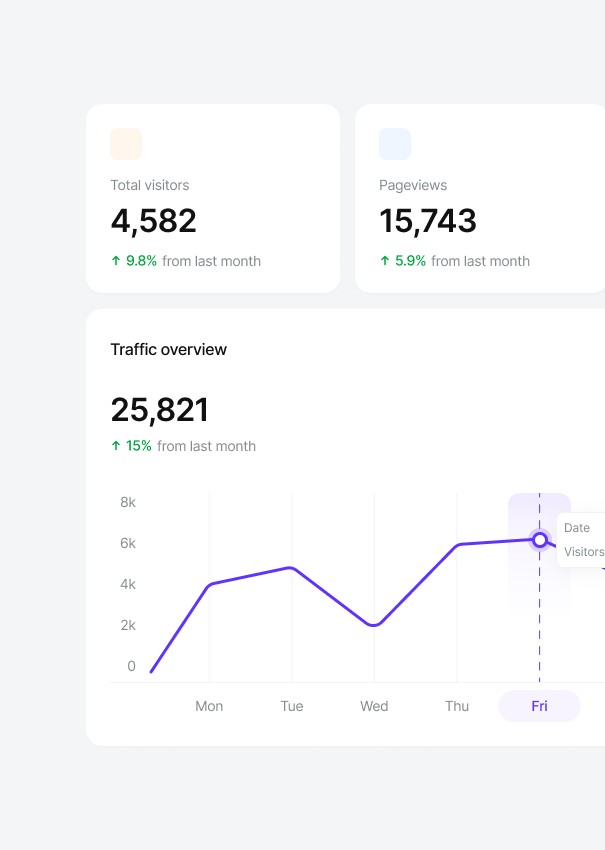
Analytics for your board, not just for you
See which materials residents are searching for most, how HHW event participation is trending, and where guidance gaps exist across your district. Those aren't just operational insights — they're the foundation of a board report that shows your program is working and improving.
